7 minute read
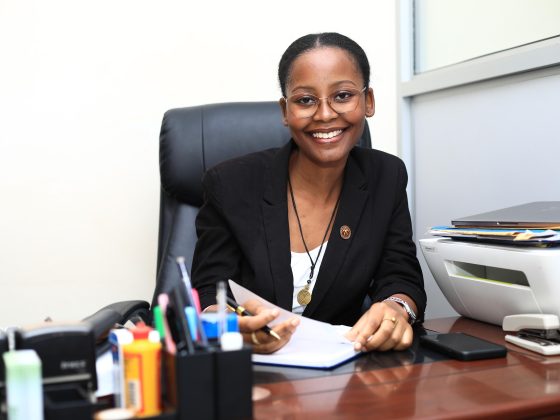
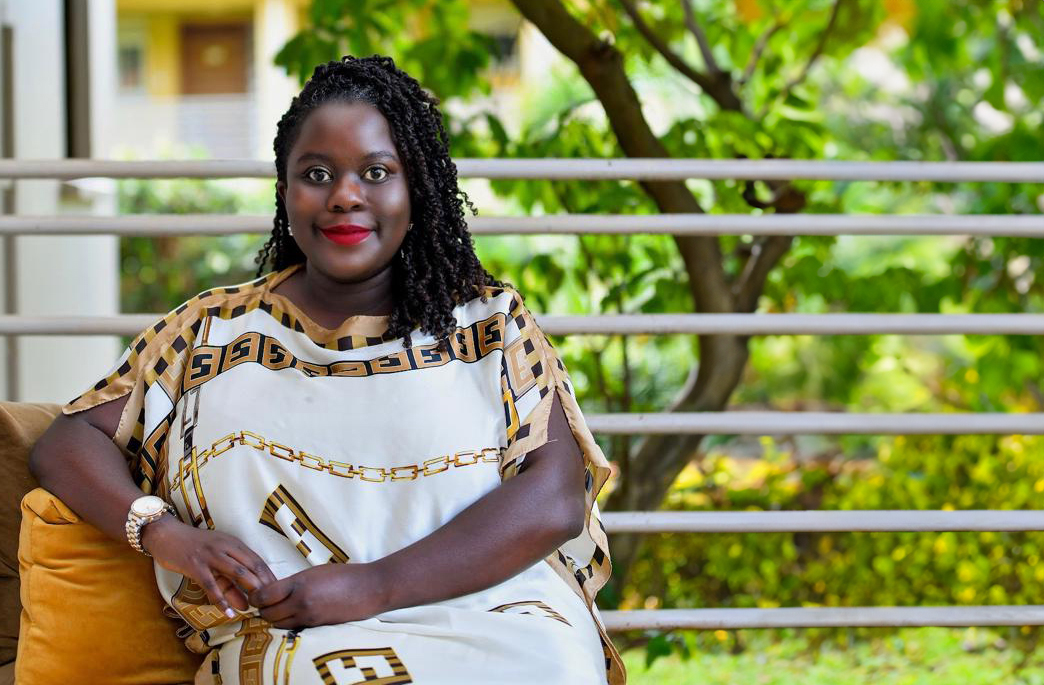
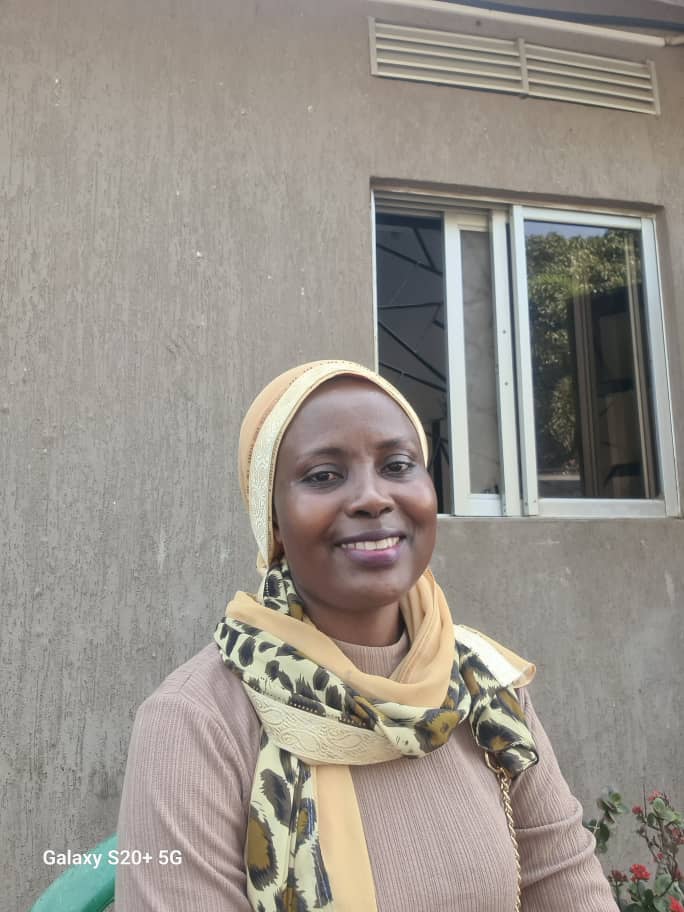
Rehema Nakyazze's father saw the humble cookstove as a tool of liberation. When he died suddenly, she was left with a choice; let his vision burn out, or become the person who could carry it forward. She chose the harder path, and in doing so, discovered that inheriting a legacy does not mean preserving it. It means transforming it.
Honoring Kawere meant keeping his mission alive. That is exactly what I chose to do.
— Rehema Nakyazze
There is a question that has followed Rehema Nakyazze since 2011, though she did not recognize it at the time. Muhammad Kawere, her brother was gone. He had inherited their father’s humble stove workshop and transformed it into UgaStove, Africa’s first carbon-financed cookstove company. And Nakyazze, who had been building her own life, who had stepped back from daily operations, was left standing in the middle of everything he had built, asking herself a question that would define the next decade of her life.
Do I walk away, or do I stay?
Walking away would have been easier. In her family, only Kawere and she had truly believed in this work when others dismissed it as dirty labor beneath educated people. Her younger brother handled production; she managed marketing and administration. But Kawere was something else entirely. He was the visionary who saw that a metal-and-ceramic box could lift households out of energy poverty while protecting Uganda’s forests. Without him, what was there to stay for?
And yet.
But here is what Nakyazze has learned in the fourteen years since; keeping a mission alive does not mean preserving it. It means becoming the person who can carry it forward, not as a curator tending to someone else’s creation, but as a builder willing to add new floors to a structure she did not design.
To understand what Nakyazze inherited, one must understand what Kawere built. He had taken over from their father, who passed away when Rehema was only four. Through training programs with GIZ and the Global Energy Efficiency Partnership, he transformed a small operation into something ambitious. In 2006, UgaStove became the first cookstove company in Africa to participate in carbon financing, monetizing emissions reductions in a way that was years ahead of its time.
By the time Kawere died, UgaStove was more than a business. It was a movement. And Nakyazze, who had spent weekends during university selling stoves at markets and trade shows, who had learnt the craft through her hands while classmates learned from textbooks, was the only one left who understood it from the inside.
But understanding a legacy and knowing how to carry it are two different things.
The first challenge came from an unexpected direction; the very people she and Kawere had trained. UgaStove’s success in training youth through carbon financing projects had created a generation of skilled artisans, many of whom had gone on to start competing businesses. The same people trained in stove production, the same sales teams developed through community programs, were now using that knowledge to compete against her.
“It was a bittersweet testament to Kawere’s impact,” Nakyazze says. There is no bitterness in her voice, only the clarity of someone who has processed this reality and chosen how to respond. “Part of me felt proud. Uganda’s clean cooking needs far exceed what any single company can provide. But it tested our resilience.”
This was the first lesson of transformed inheritance; a legacy that empowers others will inevitably create competition. The question is whether you view that competition as a threat or as evidence of impact.
The Transformation Begins
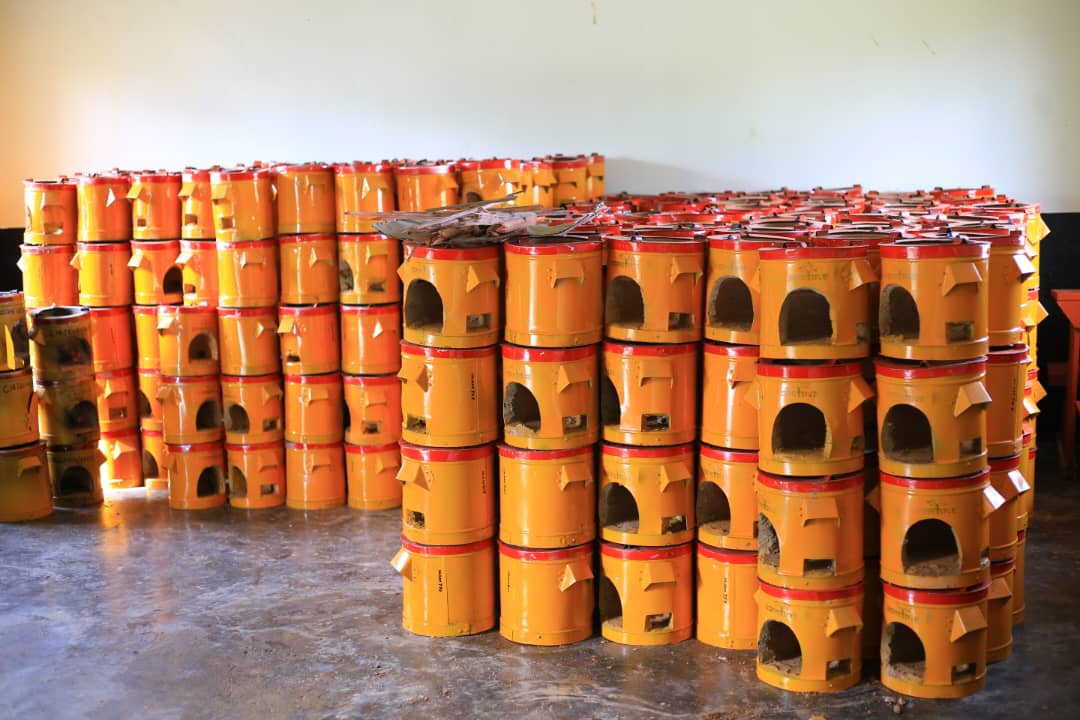
Nakyazze chose to respond not by contracting but by deepening. While competitors cut costs using scrap materials, she doubled down on quality. She forged partnerships with the Uganda Industrial Research Institute to test and source specific clay compositions for each stove model. She invested in industrial extruders and proprietary ceramic liners achieving 30 to 35 percent thermal efficiency, verified by independent laboratories.
“Too often, stove manufacturing is viewed as simple craftsmanship rather than serious industrial production,” she says. “We have learned to approach every aspect of operations with professional rigor, from supply chain management to quality control systems. This means investing in proper equipment, implementing standardized processes, and maintaining meticulous records, just as any other manufacturing enterprise would do.”
The shift was subtle but profound. Kawere had been a visionary; Nakyazze became a systems builder. She recognized that vision without infrastructure collapses. And so she built, not a monument to her brother, but a company capable of outlasting her.
Learning to Let Go
Perhaps the most difficult transformation was internal. Nakyazze had to learn what she calls “emotional resilience”, the capacity to accept that skilled employees she trained might eventually leave to start competing ventures.
“While this initially felt like a setback, I have come to see it as part of our broader impact,” she says. “Each new enterprise expands access to clean cooking solutions. The key is maintaining confidence in our own ability to keep innovating and improving, ensuring UgaStove remains at the forefront of the industry.”
This is a radically different understanding of legacy than the one she started with. She did not come to UgaStove to preserve her brother’s work. She came to it to continue his mission—and continuing a mission sometimes means releasing control, trusting that the knowledge you share multiplies rather than diminishes what you keep.
It also meant reimagining how UgaStove operated. The company shifted from direct sales to a partnership model, training local distributors rooted in their communities rather than maintaining costly delivery networks. Staffing evolved; consultants for research and technical roles, part-time staff for administrative needs, resources concentrated where they matter most.
“Building a successful clean cooking business requires far more than good intentions,” Nakyazze says. “It demands specialized skills, strategic thinking, and personal resilience.”
The Revolution
There is another dimension to Nakyazze’s inheritance that she did not anticipate, the question of who gets to lead. UgaStove began as a male-dominated family operation. Today, it is led by women, and Nakyazze sees this as one of her most significant contributions to her brother’s legacy.
“Challenging stereotypes creates competitive advantage,” she says. “Female leadership has driven innovation in our company, proving that women can excel in technical manufacturing sectors traditionally dominated by men.”
This transformation was not theoretical. After experiencing health challenges from managing daily factory operations, Nakyazze transitioned to a more flexible work model that demonstrated how women can balance business leadership with family responsibilities. “The key lies in developing robust systems and maintaining professional standards,” she explains. “We approach stove manufacturing with the same rigor as luxury automotive production.”
What her brother began as a family enterprise has become a testament to what women can build when given the space to lead.

What Legacy Really Means
Over twenty-five years of operation, the impact of UgaStove has distributed thousands of efficient stoves distributed, reducing charcoal consumption significantly.
They have trained youth, empowered women, supported schools and communities. A generation of artisans launched into the sector, some as competitors, all as contributors to a cleaner Uganda.
But for Nakyazze, the measure of her inheritance is more profound when she visit a home where a UgaStove has lasted five years and hears how fuel savings have allowed parents to pay school fees; seeing the forests that still stand because families burn less charcoal.
“When I hear those stories, the challenges fade into perspective,” she says.
This, perhaps, is the deepest answer to the question of what it means to inherit a legacy and transform it. Nakyazze did not preserve her brother’s work, she could not, because preservation would have required freezing it at the moment of his death, treating it as a completed artifact rather than a living mission. Instead, she took what he built and expanded the vision to include women’s leadership, systems thinking and emotional resilience, that were not originally part of the blueprint.
And in doing so, she discovered that transforming a legacy is the only way to truly honor it.
That is what it means to inherit a legacy and transform it. Not to preserve. Not to replicate. But to take what you are given, add what only you can bring, and pass forward something that did not exist before, something that bears the fingerprints of those who came before and the unmistakable mark of the one who stayed.
Rehema Nakyazze is Chief Executive Director of Uganda Stove Manufacturers Ltd. (UgaStove), representing the second generation of a family enterprise that has spent over twenty-five years transforming how Uganda cooks.