
5 minute read
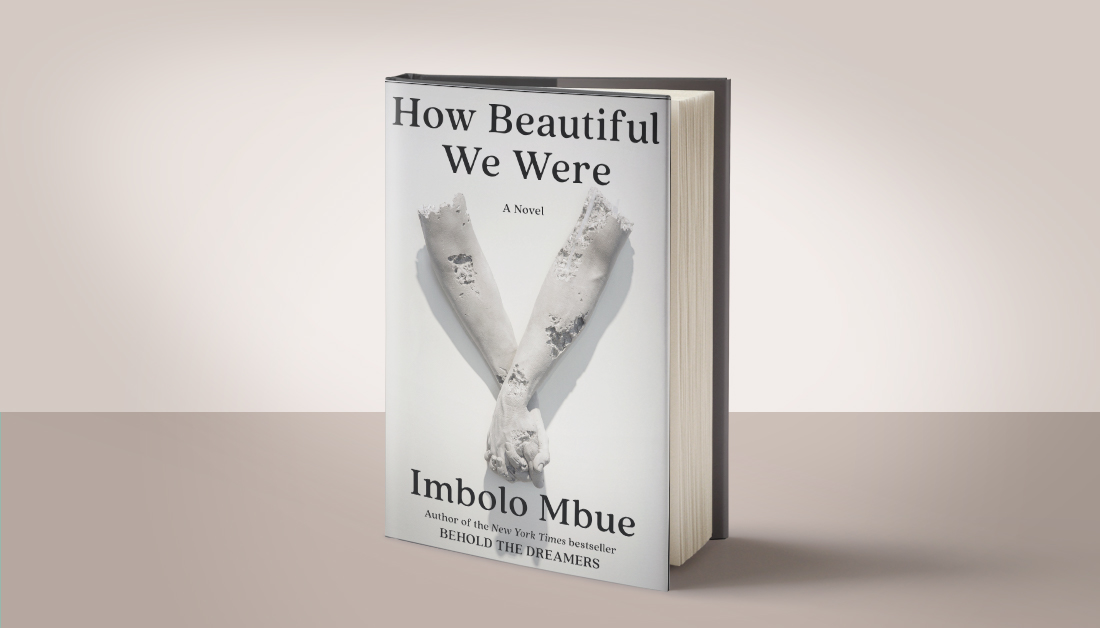
When faced with community issues, many of us opt for the less stressful path of avoidance. We deceive ourselves by believing that if someone else is being paid to handle it, they should be capable of resolving it. However, the more we disregard these issues, the more severe they become. Avoidance, though tempting, is merely an illusion. It tricks us into thinking we are shielding ourselves, when in truth, we are only deferring problems to the future. It offers temporary relief from discomfort, but it’s fleeting. Eventually, we reach a critical juncture where resorting to violence seems like the only solution. Mbue Imbolo’s book “How Beautiful We Were” delves into this very dilemma.
The story unfolds in Kosawa, a fictional African village devastated by the poisoning of its land and water by an American oil company, resulting in the deaths of children. When some parents dare to protest, they disappear, likely murdered. Others who continue the fight face torture, public executions, and ongoing indifference from the corporation, hostility from the government, tribal divisions among fellow countrymen, and well-meaning but ineffective support from American activists. Even Mbue’s touches of magical realism fail against the overwhelming forces of domestic corruption and American corporate imperialism.
Avoidance, though tempting, is merely an illusion. It tricks us into thinking we are shielding ourselves, when in truth, we are only deferring problems to the future.
The book underscores the seeming futility of fighting battles destined to be lost, yet it also highlights the nobility in laying groundwork for future movements. Thula, the central character, begins questioning the community’s inaction despite widespread knowledge that something is terribly wrong due to Pexton, the oil company. Inspired by her father and uncle’s heroic efforts, she takes it upon herself to save her village. Understanding that knowledge and education are her weapons against such formidable powers, she pursues education in the United States.
In America, surrounded by the legacies of Mahatma Gandhi, Nelson Mandela, Martin Luther King Jr., and Malcolm X, Thula evolves from a determined young girl into an educated revolutionary. Armed with a broader perspective on the acquisition, use, abuse, and loss of power, she supports a group of young men in their fight against dictatorship and corporate exploitation.
How Beautiful We Were is a profoundly impactful novel that adeptly navigates multiple themes, including the exploitation of natural resources, the enduring effects of colonialism, the resilience of marginalized communities, and the relentless pursuit of justice. It intricately explores the complexities of power dynamics, class disparities, and the profound sacrifices individuals are willing to make for the greater good.
While the specific country to which Kosawa belongs remains unnamed, it poignantly represents numerous African nations grappling with the enduring legacies of neocolonialism and capitalism. The narrative portrays the struggles of nascent democracies, often fraught with challenges reminiscent of a troubled birth. Yet, amidst these struggles, there persists a determined effort by many to forge viable governance structures.

Mbue’s work also pays homage to the often-overlooked contributions of women in historical struggles, their roles unrecognized and their stories undocumented. How Beautiful We Were resonates deeply with readers who find reflections of their own frustrations, struggles, motivations, and vulnerabilities in its characters. It starkly illustrates the weight of oppression and the daunting reality of facing odds stacked against one’s favor.
Ultimately, the novel prompts introspection on the nature of power and its role in societal transformation. It challenges readers to ponder whether power is a prerequisite for effecting change or a consequence of one’s contributions to a cause.
Excerpt
But Austin, whenever I discuss my ideas with him, tells me that I need to ignore the history of movements in Europe and America and instead closely study such efforts in countries that resemble mine.
What you’re proposing isn’t a small movement, he said, it’s a revolution.
Movement, revolution, I don’t care what it’s called, my country needs it, I replied.
But look at what revolutions have done to countries all around yours, princess, he countered. Look to the south of your country, a land where power once lay in the hands of a few. Good men rose up and fought so that wealth might be spread evenly. Did it happen so? Didn’t wealth simply pass from the hands of a few to a new set of hands of a few? Look at the country to the east of yours, where rebels stormed the presidential palace with guns given to them by their overseas backers. They desecrated the palace, sent its inhabitants into hiding. They put bullets in the chest of the man who for long had trampled upon them. They lifted their guns and cheered their new freedom: victory at last, victory at last. What happened next? Didn’t tribes turn against tribes, villages against villages, no strong man between them to force a peaceful accord? Look at how the children of that country are now wasting for scarcity of food. Look at how the women there have been turned into slaves for men who once fought for the liberation of all. If you were to ask these people, would they sing the praises of a revolution?
What makes you think your revolution will produce different results? he says. Why add to people’s woes with a pursuit that’s all but bound to fail?
About the author
Imbolo Mbue released her debut novel, Behold the Dreamers, in 2016. The book won the PEN/Faulkner Award for Fiction, was the Oprah Book Club selection for 2017, and became a national bestseller. How Beautiful We Were, is her second novel. Mbue herself grew up in Limbe, Cameroon, a seaside town with an oil refinery. She witnessed firsthand life under a dictatorship, and was fascinated by the people who rose up against corporate greed and systems of injustice. The novel was inspired in part by this childhood fascinations, and draws heavily from historical and contemporary social and environmental justice movements as well as several current cases of environmental degradation caused by oil exploration.